
Best Espresso Machines Under $1,000 (2026)
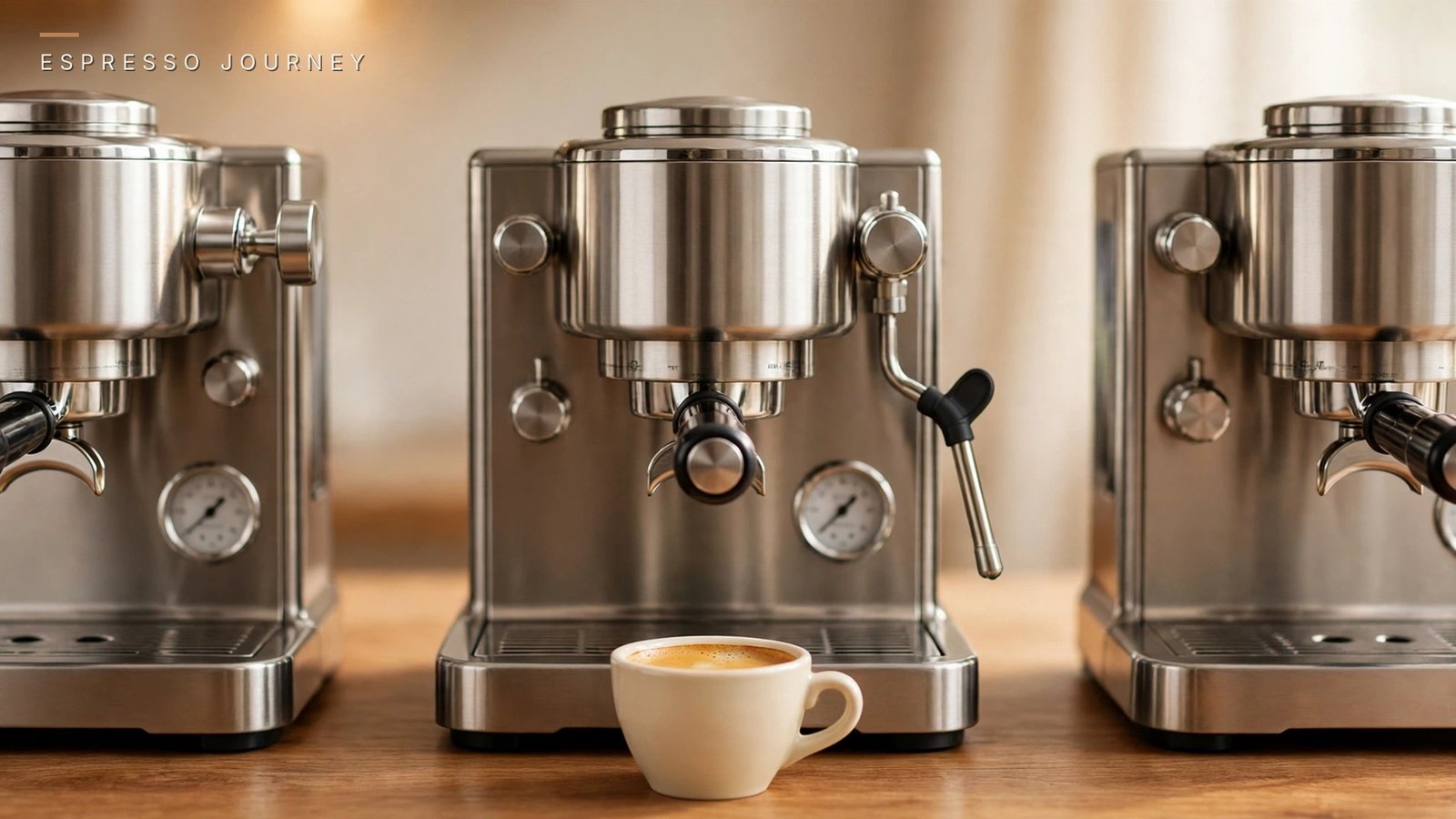
Nine espresso machines between $500 and $1,000, ranked by what the step up actually buys — grinder, heating, milk and build. Live tracked prices, no hype.
Buying guides comparing beginner espresso machines and grinders on real prices, specs and owner reports — and saying plainly who each pick is not for.
Nine espresso machines between $500 and $1,000, ranked by what the step up actually buys — grinder, heating, milk and build. Live tracked prices, no hype.
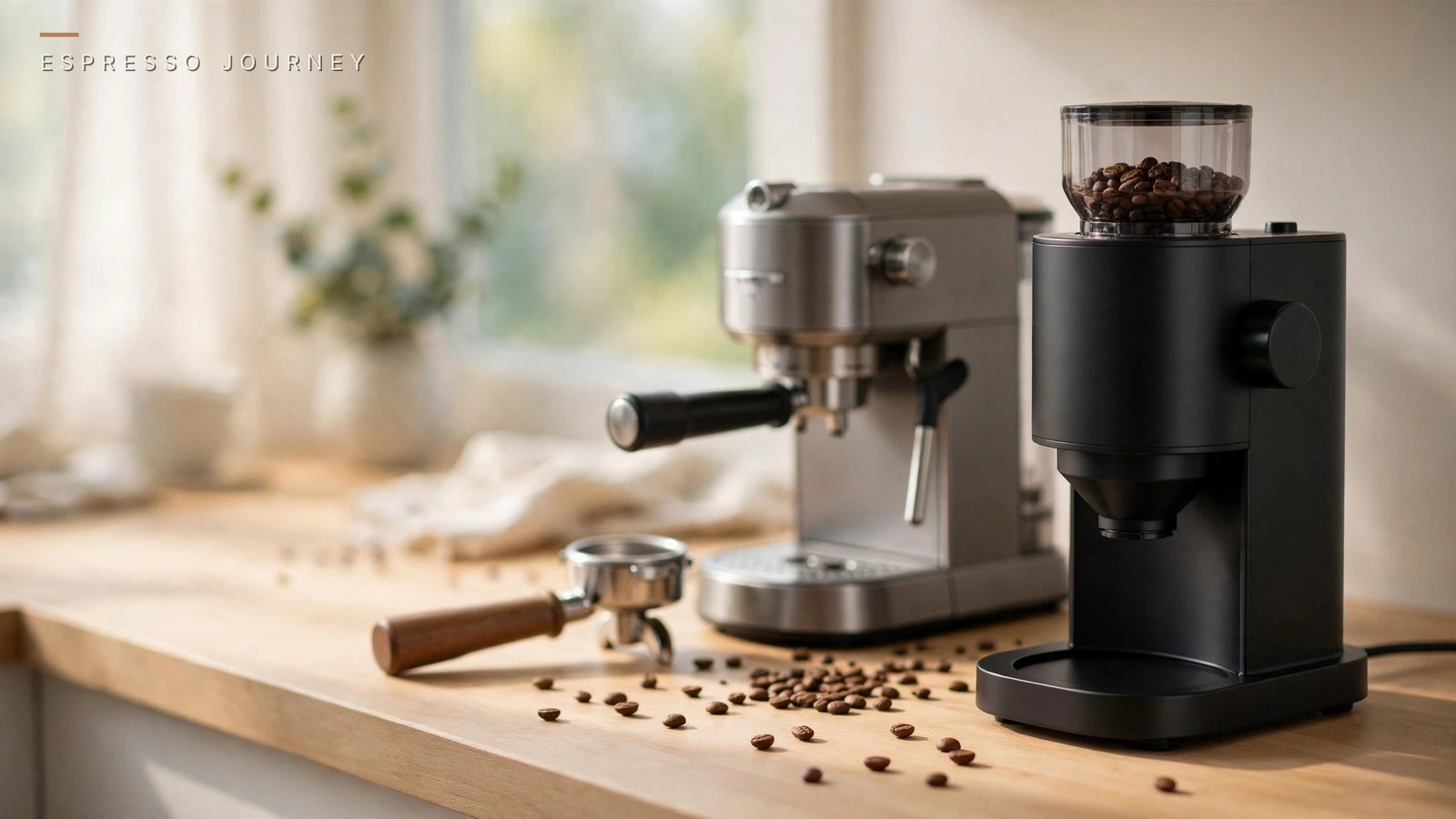
Ten espresso grinders worth watching this Black Friday, with last year’s verified sale prices, live tracker prices and an honest flaw for every single pick.
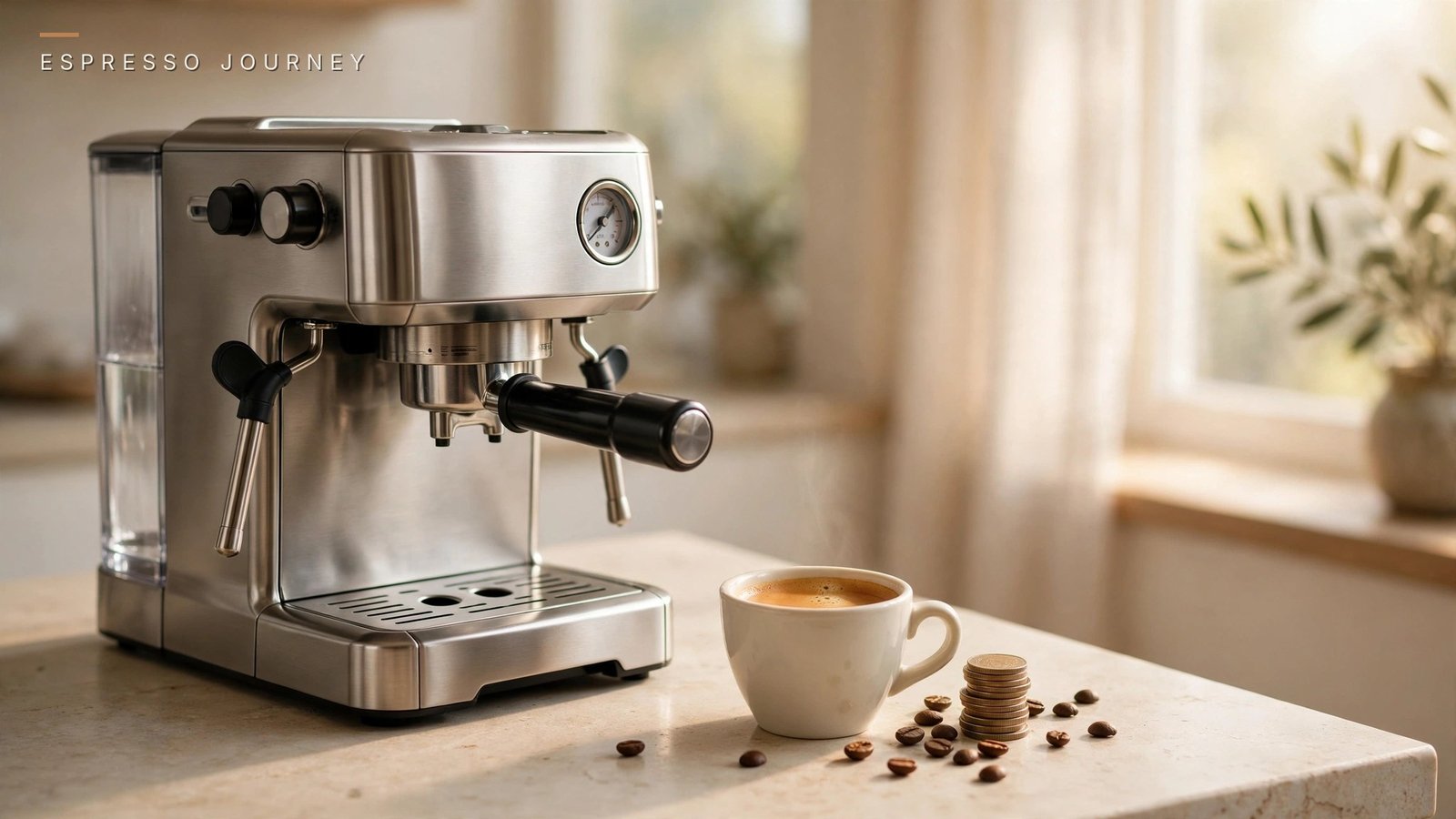
Eleven beginner espresso machines that drop under $500 for Black Friday 2026 — live tracked prices, the price worth waiting for, and which to buy today.

Black Friday 2026 espresso deals with the paperwork: what each machine cost when we started tracking it, what it costs now, and the prices worth waiting for.
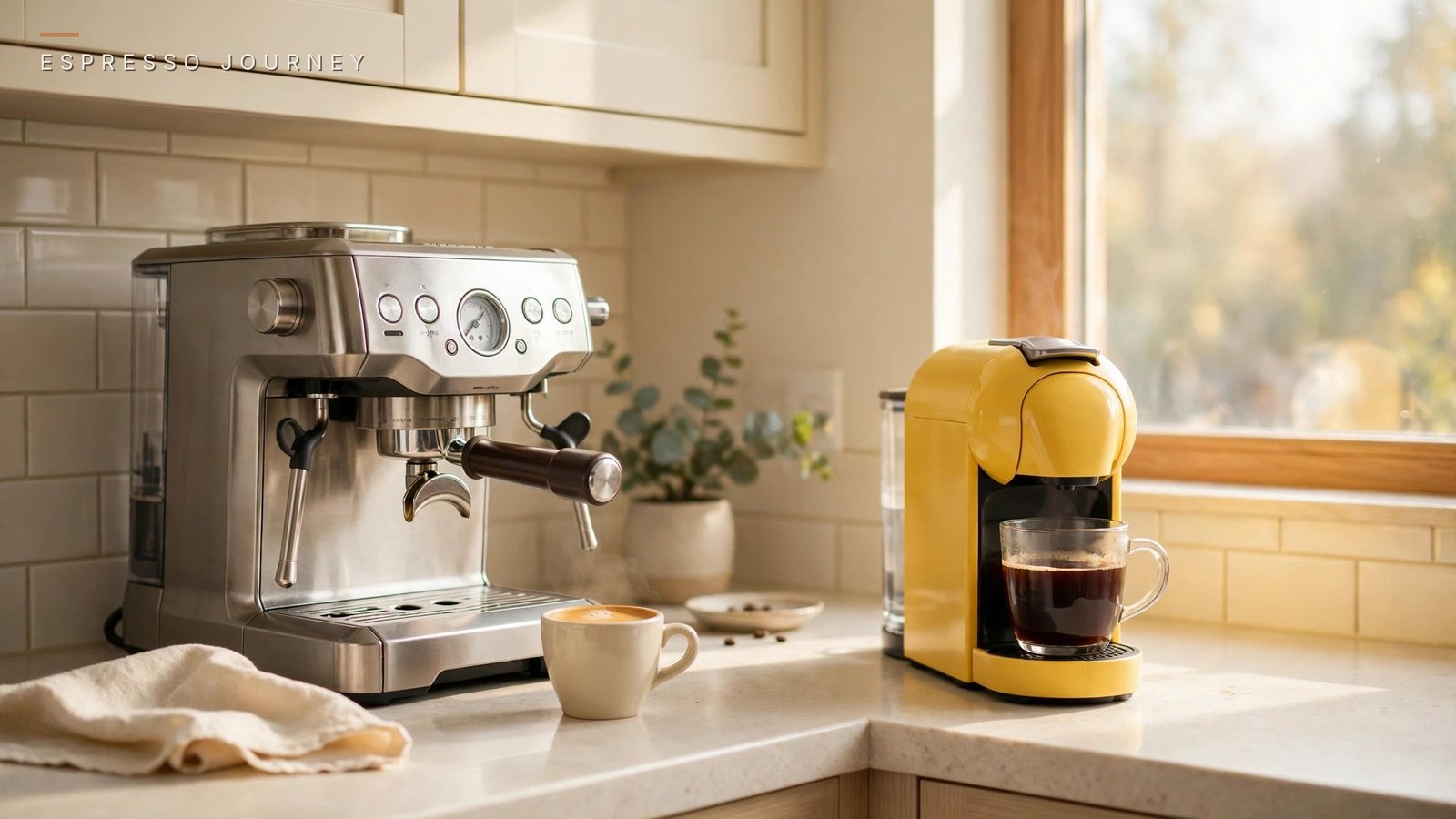
Bambino vs Nespresso: the real choice is pods vs fresh grounds. We price both setups and a year of coffee — and the cheap and expensive machines swap places.
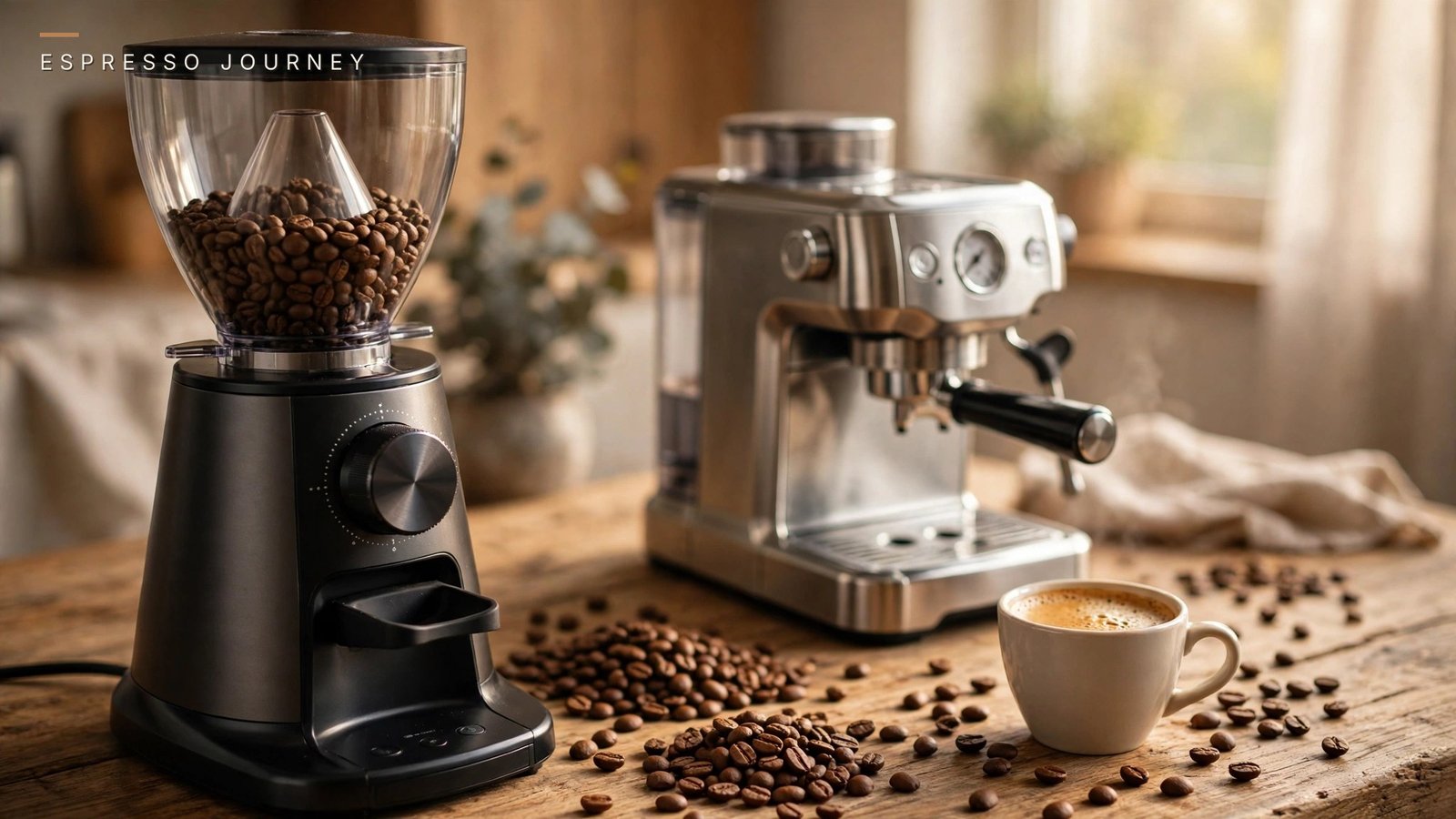
Grinder first, almost always. How to tell which half of your espresso setup is actually failing, what to buy next, and the $500 upgrade trap to avoid.
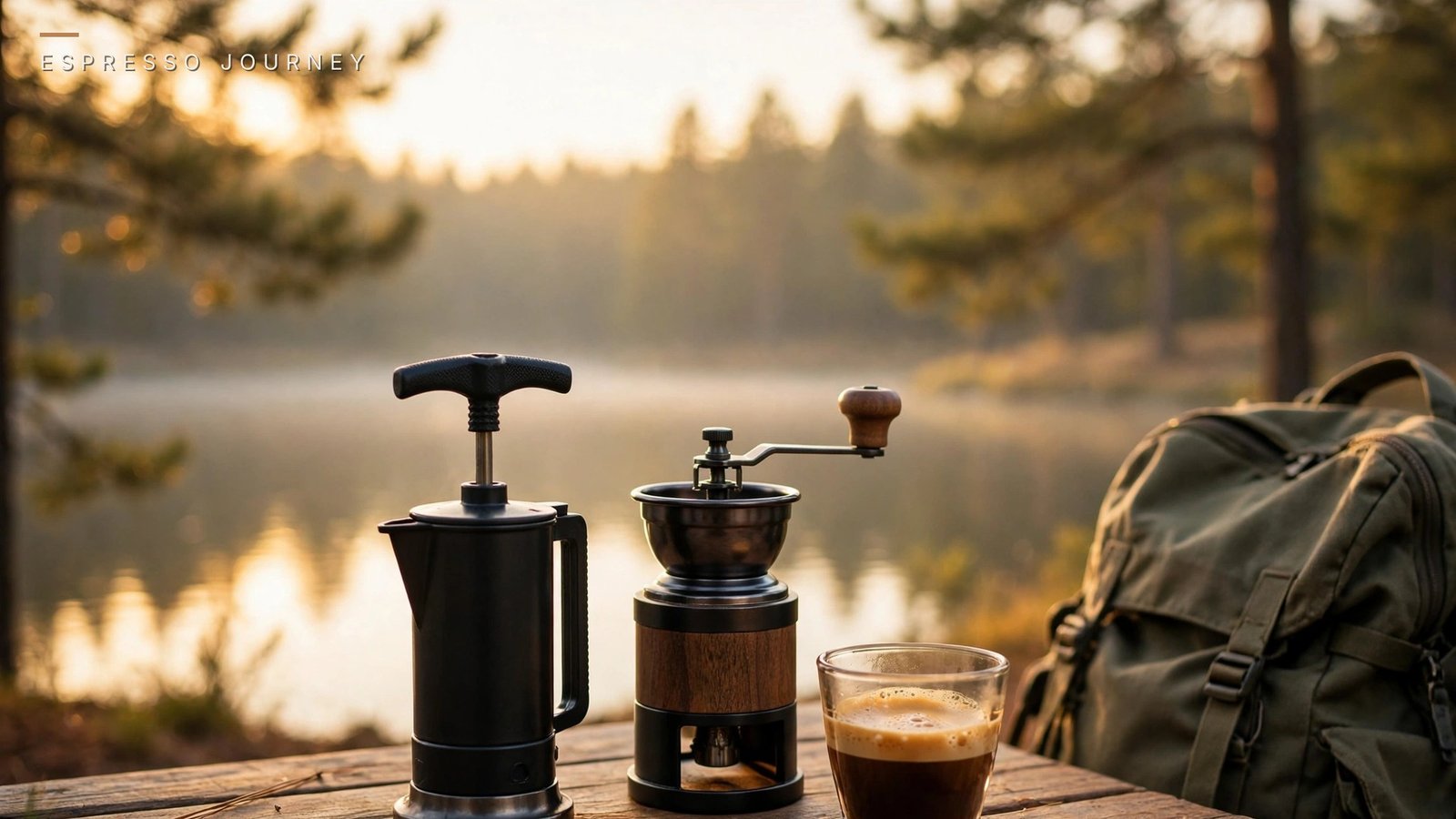
The best portable espresso makers, picked by trip: Picopresso for shot quality, Nanopresso for most travel, Outin Nano with no kettle, Flair 2GO lever.

The Bambino at $299.95 is the under-$300 pick a real grinder can grow with. Every pick ranked by one test: are its shortcuts permanent, or fixable?
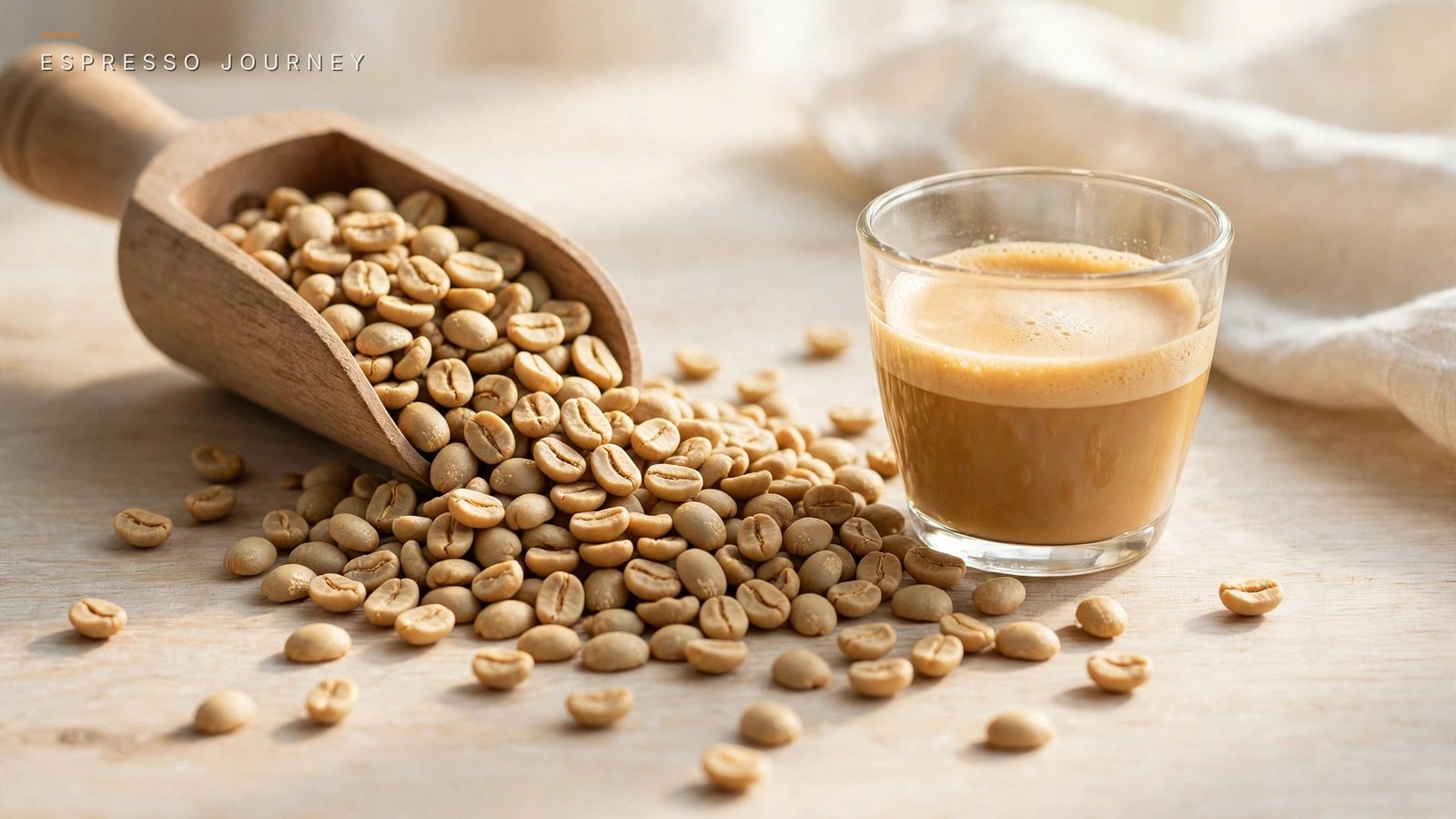
Light roast needs heat, a real grinder and a longer ratio more than a pricey machine. The beginner machines that can brew hotter, compared.
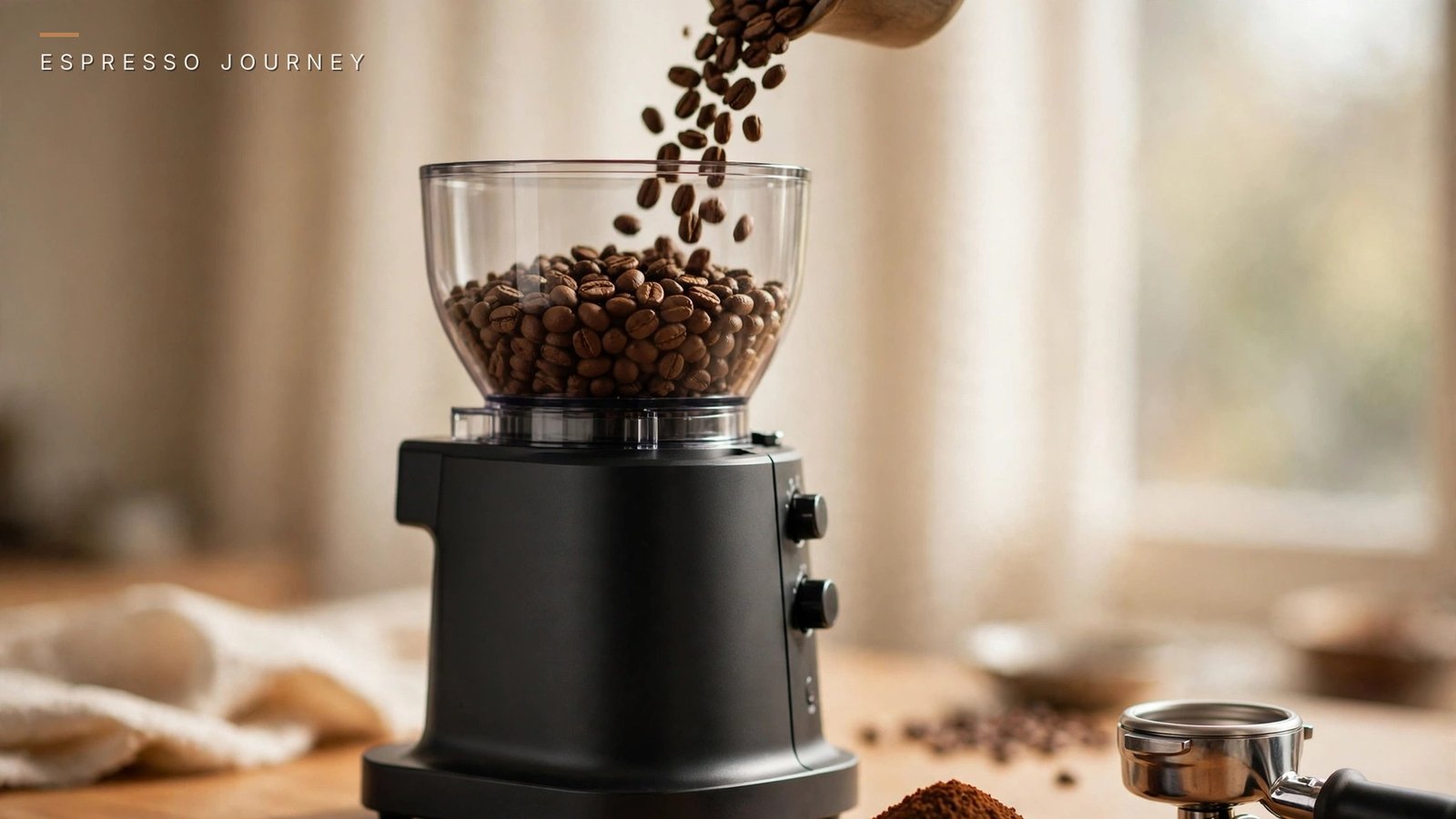
The Baratza Encore ESP ($199.95) is the best beginner espresso grinder for most people. Compare six picks, real setup costs, and the look-alikes to avoid.
Every guide on this shelf starts from the same question a beginner actually asks — “what should I buy first, and what should I skip?” — and answers it with real prices, published specifications, and what owners report after months of daily use. Each guide also says plainly who a pick is not for. A machine that is wrong for your kitchen or your habits is a bad buy at any discount, and the guides here would rather lose you a sale than land you with the wrong box on your counter.
Prices are dated, never implied to be permanent. Every figure in a guide carries the day it was checked, and the deals page is re-checked by our price tracker, so a recommendation never quietly rides on a sale price that ended last month. When you read a price here, you are reading the street price we verified — not the crossed-out list price the marketing team wishes were true.
The fastest way to use this shelf is to pick your band first. If the whole machine budget is under $300, start with the under-$300 guide: the picks there are honest compromises, chosen so the compromises land where a beginner feels them least. If you can stretch toward $500, the pillar guide to the best beginner machines under $500 is where the forgiving, keep-it-for-years options live. Already own a machine? Then the beginner grinder guide almost certainly matters more than any machine upgrade. Light-roast drinkers get their own guide, because temperature control becomes the deciding spec. And if your espresso happens in hotel rooms and campsites, skip the countertop entirely and go to the portable espresso guide.
The grinder decides more than the badge. Two machines at the same price can pour very differently, but the same machine with a better grinder improves almost every time. That is why the grinder guide sits beside the machine guides here, and why all-in-one machines are judged partly on the grinder built into them.
Street price is the fact; list price is the advertisement. Some machines live at a near-permanent “sale” price. Our guides compare what you would actually pay, note the lowest verified price we have seen, and treat a discount as real only when it beats that floor.
Fit beats flagship. Heat-up time, counter footprint, milk texturing, and how much ritual you enjoy every morning decide whether a machine gets used daily or gathers dust. The best beginner machine is the one that fits your life closely enough that pulling a shot becomes a habit, not a project.
Somewhere between $150 and $500 covers nearly every sensible first machine. The De’Longhi Stilosa at $149.95 (list price, checked November 2026) is the tightest-budget route in our guides; the Breville Bambino at $299.95 is the step most beginners are happiest with; and $499.95 is the ceiling of our under-$500 pillar guide. Budget for a grinder on top unless the machine has one built in.
Mostly, extra money buys forgiveness, not a different drink: faster heat-up, automatic milk texturing, and temperature stability that hides small technique mistakes. Those things genuinely help a beginner — but past the under-$500 band the returns shrink fast, which is exactly why our main guide stops there.
An all-in-one like the Barista Express saves money and counter space today; separate pieces let you upgrade the grinder later without replacing the machine. Neither is the “wrong” answer — our Bambino vs Barista Express comparison lays out who each route suits.
No — the number on the box is the pump’s maximum, not the pressure your coffee sees. Espresso brews at about 9 bars at the puck; a valve inside the machine sheds the extra pump pressure to get there. Our Espresso Knowledge guide to why espresso brews at 9 bars explains the whole story, with the sources.
Every price is printed with the date it was checked, and the deals page is re-verified by our price tracker — when a tracked price climbs back up, its deal card leaves the page. Retailers can still change a price between checks, so treat the retailer’s page at checkout as the final word.
Yes. Light roasts are harder to extract and want hotter, steadier brewing water, while most beginner machines brew at one fixed temperature. Our light-roast machine guide covers which beginner machines give you any temperature control at all, and the workarounds for the ones that do not.