
Puck Prep for Beginners: WDT, Leveling, and Tamping Without the Ritual
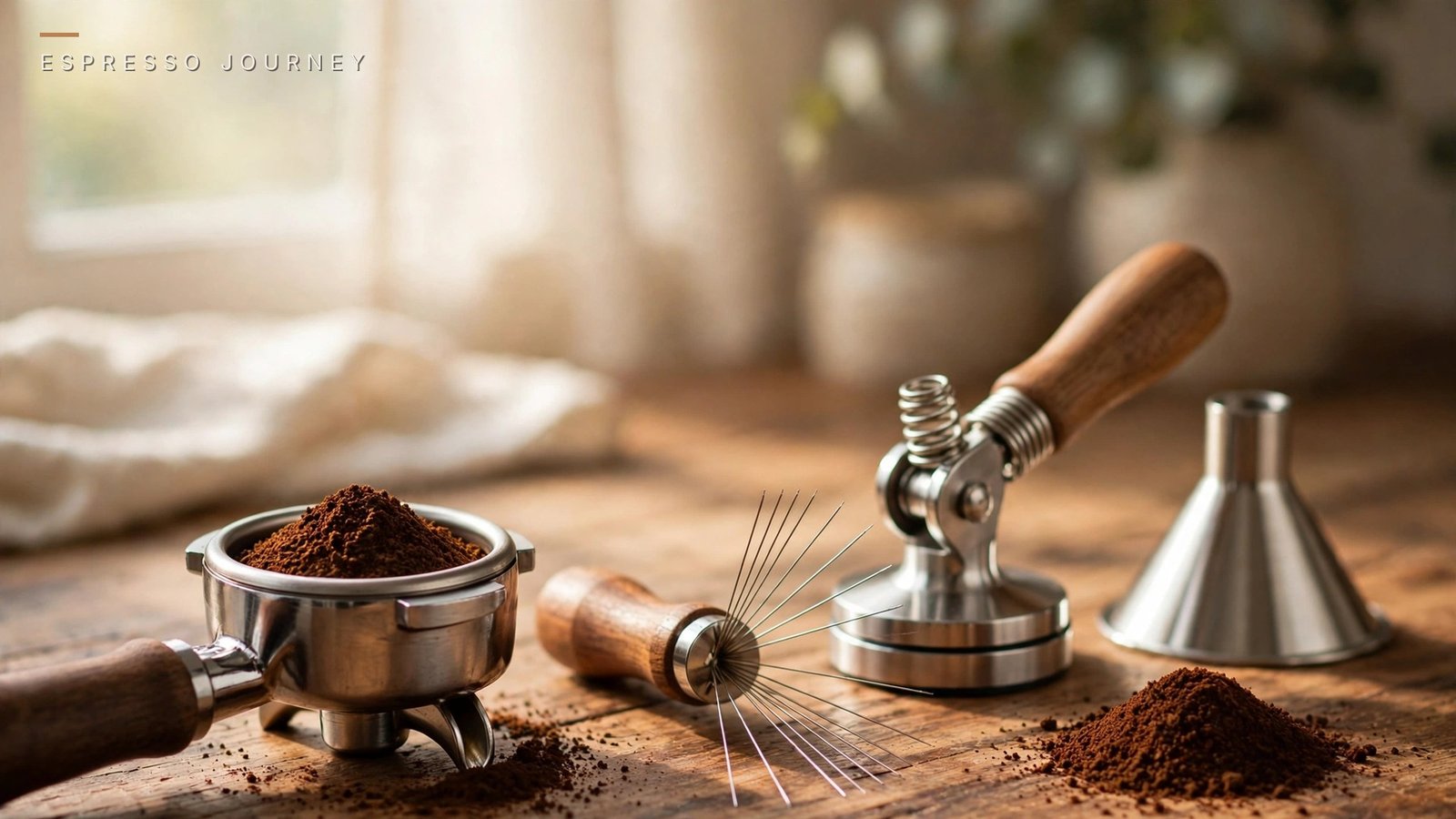
Puck prep is the minute between grinding and brewing: dose, WDT, level, tamp, brew. The full routine, the 30-pound tamp myth, and which tools to buy first.
Plain-word lessons for fixing home espresso: dialing in, sour and bitter shots, channeling, and the mistakes almost every beginner makes.
Puck prep is the minute between grinding and brewing: dose, WDT, level, tamp, brew. The full routine, the 30-pound tamp myth, and which tools to buy first.

New to espresso? The 10 mistakes that ruin first-month shots — stale beans, no scale, channeling, chasing the clock — each with its symptom and one fix.
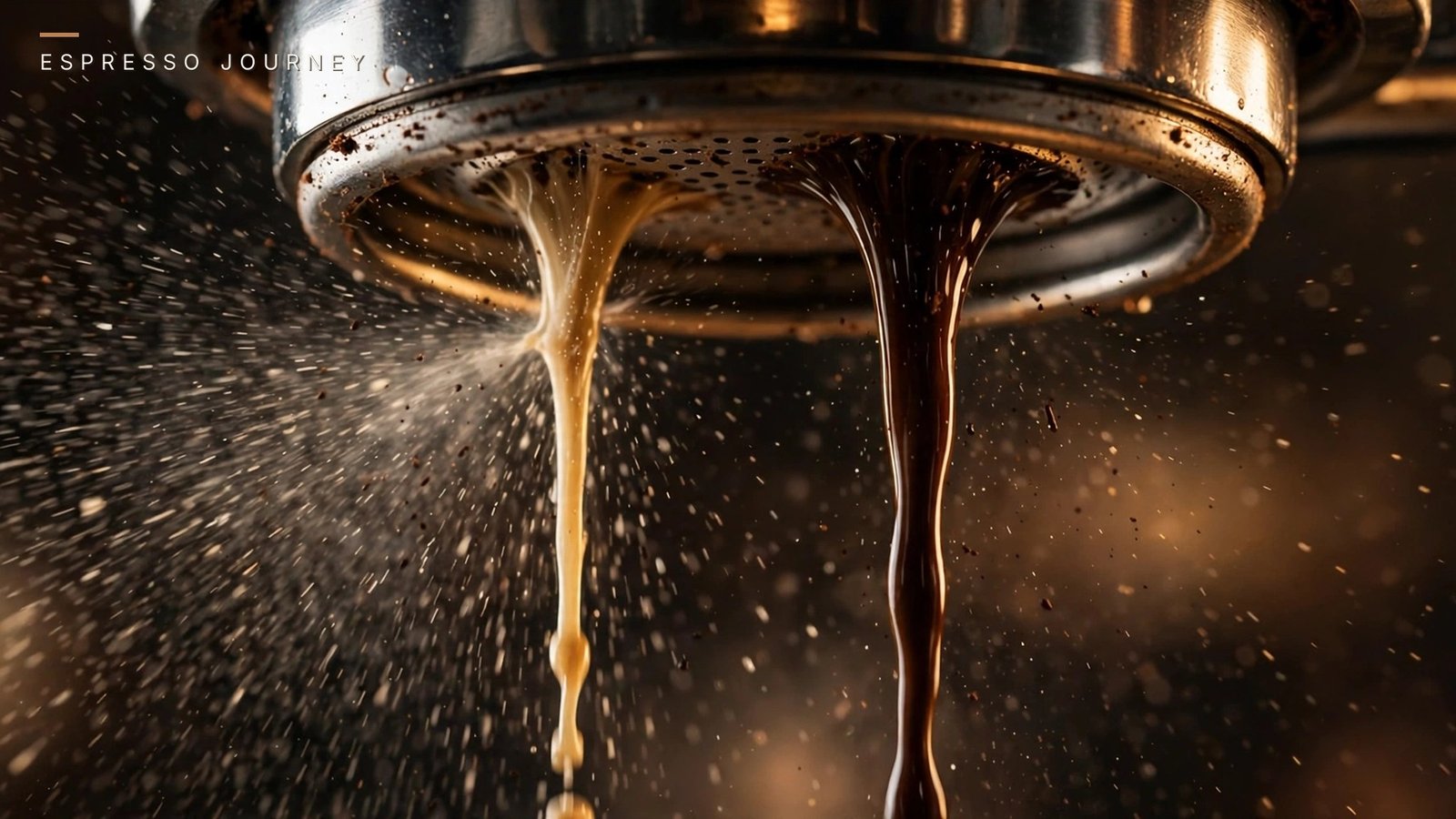
Channeling makes espresso taste sour and bitter at once. Spot it with a spouted portafilter — taste, timing, puck autopsy — and fix it with puck prep.

Bitter espresso usually means over-extraction — but the roast, stale beans, or a dirty machine can do it too. The 60-second diagnosis and fixes, in order.

Sour espresso is under-extracted. A 60-second diagnosis, the causes ranked with one fix each, and what to do when your machine has no temperature dial.

Dial in espresso on the machine you actually own: the starting recipe, the one-change-at-a-time loop, and the taste table for sour and bitter shots.
Almost every bad shot a beginner pulls is one of three problems wearing different clothes, and your taste buds can tell you which one before any gadget can. Sour and sharp means the shot is under-extracted — the water rushed through and left most of the coffee behind. Bitter and harsh means over-extracted — the water stayed too long and pulled the rough compounds too. Watery, uneven, or spraying means channeling: the water found a weak path through the puck and took it. Every lesson on this shelf is one of those three diagnoses, worked through calmly.
The method behind all of them is called dialing in, and it starts from a fixed recipe so that taste has something steady to be compared against: 18 grams of coffee in, 36 grams of espresso out, in about 25 to 30 seconds. That recipe is a starting point, not a law — but you start there every time, change one thing at a time (grind size first, almost always), and taste again. Two changes at once teaches you nothing, because you never learn which one fixed it. Our step-by-step dial-in lesson walks the whole loop.
Two habits separate the beginners who fix their shots from the ones who stay frustrated. The first is that your grind setting is not permanent. Beans change as they age and every new bag arrives with its own idea of the right setting, so dialing in is not a ceremony you perform once — it is a two-minute routine you repeat whenever the coffee changes. The second is to suspect the beans before the machine: a bag well past its freshness window (our beans guide puts the best weeks at one to four after roasting) resists every adjustment and makes a healthy machine look broken.
And know when to stop adjusting. If two or three grind changes in the right direction barely move the taste, the problem is probably not the grind: weigh the dose again instead of trusting the scoop, check the age of the beans, and if all else fails, throw the variables away and return to the starting recipe — 18 in, 36 out — and dial in fresh from there. A clean restart beats an afternoon of chasing a shot that drifted three changes ago.
One promise runs through this whole shelf: technique before gear. None of these lessons ends with “buy a more expensive machine,” because in the first months the limiting factor is almost never the machine — it is one unadjusted variable. Fix the variable, and the machine you already own turns out to have been capable all along.
Sour is the taste of under-extraction: the water passed through the coffee too quickly and dissolved only the fast, acidic compounds. The usual fix is to grind finer, which slows the shot down and gives the water time to pull the sweetness out too. Our sour espresso lesson works through the causes in order.
Bitter is over-extraction — the opposite end of the same dial. The water stayed in contact with the coffee too long (or ran too hot through too fine a grind) and pulled the harsh, bitter compounds that dissolve last. Grinding a little coarser or stopping the shot a little earlier is usually the cure; the bitter espresso lesson covers the full checklist.
For the standard starting recipe — 18 grams in, 36 grams out — about 25 to 30 seconds is the window to aim for. Treat the clock as a symptom, not a target: a 27-second shot that tastes sour still needs a finer grind, and the taste always outranks the timer.
Channeling is what happens when water finds one weak, low-resistance path through the coffee puck and rushes through it, instead of passing evenly through all the coffee. The result is a shot that is somehow sour and bitter at once — under-extracted in most of the puck, over-extracted along the channel. Our channeling guide shows how to spot and prevent it.
Spraying is channeling you can see: water jets through a crack or gap in the puck instead of flowing evenly. Uneven distribution and a rushed tamp are the usual causes, and the fix is in the puck preparation, not the machine. The channeling guide and the mistakes hub both cover it.
One thing at a time — this is the whole discipline of dialing in. Change the grind, taste; change the dose, taste. If you adjust three variables and the shot improves, you have learned nothing you can repeat tomorrow. If you adjust one and it improves, you own that knowledge for good.